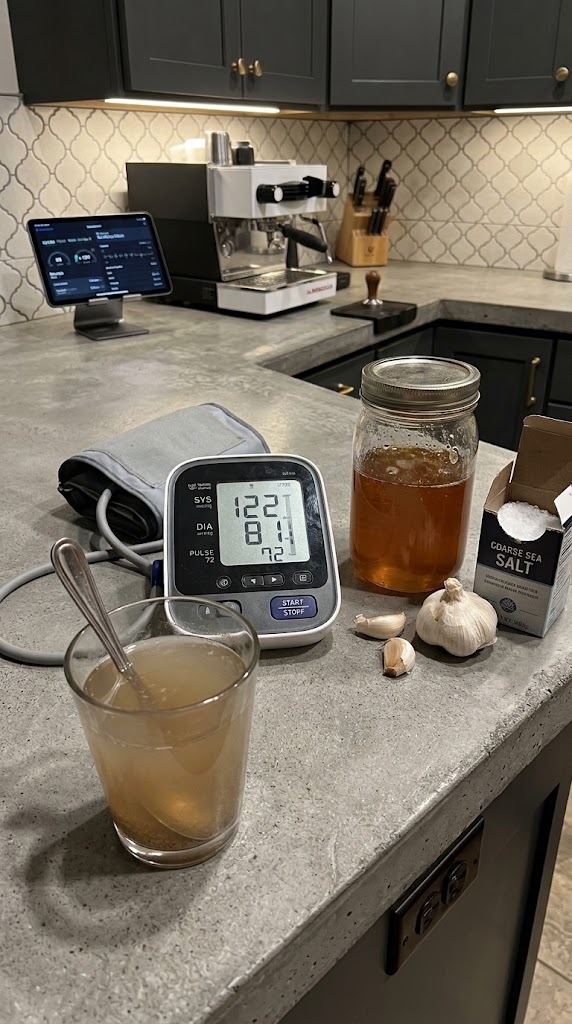
Honey has a long history in traditional diets, and interest in its role in heart health keeps growing. Here is a plain look at what is known, what is still uncertain, and where honey realistically fits in a diet built for healthy blood pressure.
What is actually in honey
Honey is mostly sugar. A tablespoon contains roughly 17 grams of carbohydrate and about 64 calories, mainly fructose and glucose. Alongside those sugars, raw and minimally processed honey also carries small amounts of plant compounds such as flavonoids and phenolic acids. Darker varieties like buckwheat and manuka generally test higher in these compounds than light, heavily filtered honey.
Those compounds are the reason researchers became curious in the first place. They are not present in refined table sugar, and similar compounds in other foods have been studied for their antioxidant activity.
What the studies show
The honest answer is that the evidence is early and mixed.
A 2023 systematic review and meta-analysis in Nutrition Reviews pooled dozens of controlled trials on honey and cardiometabolic markers. It found some favorable signals for markers such as fasting blood glucose and certain blood lipids, particularly with raw honey and monofloral varieties. Effects on blood pressure specifically were small and inconsistent across studies.
Several individual trials have reported modest short term changes in blood pressure readings after honey intake, while others found no meaningful difference compared with control groups. Trials tend to be small, short, and varied in the type and dose of honey used, which makes it difficult to draw firm conclusions.
In short, honey is an interesting area of nutrition research. It is not an established way to lower blood pressure, and no health authority currently recommends it for that purpose.
Where honey fits in a blood pressure friendly diet
The dietary levers with strong evidence behind them are well documented: reducing sodium, eating more potassium rich foods such as vegetables, fruit, beans and leafy greens, limiting alcohol, maintaining a healthy weight, and following an overall pattern like the DASH or Mediterranean diet.
Honey is best understood as a swap rather than an addition. Using a small amount of honey in place of refined sugar in tea, oatmeal or yogurt keeps total added sugar the same or slightly lower while adding a little more flavor per spoonful. Adding honey on top of an existing diet simply adds sugar and calories, which works against blood pressure goals rather than for them.
Most major dietary guidelines suggest keeping added sugars, honey included, under about 10 percent of daily calories.
A few practical notes
Honey should never be given to infants under 12 months due to the risk of infant botulism. People managing blood sugar should count honey as a carbohydrate. And honey does not replace prescribed blood pressure medication or medical care of any kind.
The bottom line
Honey is a pleasant natural sweetener with some promising early research behind it. It is not a treatment for high blood pressure. If you are managing hypertension, the highest value steps remain diet pattern, sodium, activity, weight and consistent follow up with your doctor.